Do curly heads go bald by 30 science reveals truths
By age 30, many assume curly hair offers natural protection against balding—a myth dermatologists and trichologists are now dismantling. While genetics play a dominant role in hair loss, the unique structure of curly hair often masks early signs of follicle thinning until damage becomes irreversible. Studies reveal that curly-haired individuals, despite their perceived density, face similar risks of androgenetic alopecia, though their spiral patterns delay visibility of receding hairlines or crown thinning.
From hormonal sensitivity to mechanical stress from protective styles, the factors accelerating hair loss in curly textures differ significantly from those in straight or wavy hair. Experts warn that misconceptions—like the belief that curly hair retains thickness indefinitely—can lead to delayed intervention, allowing conditions like traction alopecia or folliculitis to worsen. Understanding the biology behind curly hair loss is the first step toward proactive care, especially for those who may dismiss early warning signs as mere styling mishaps.
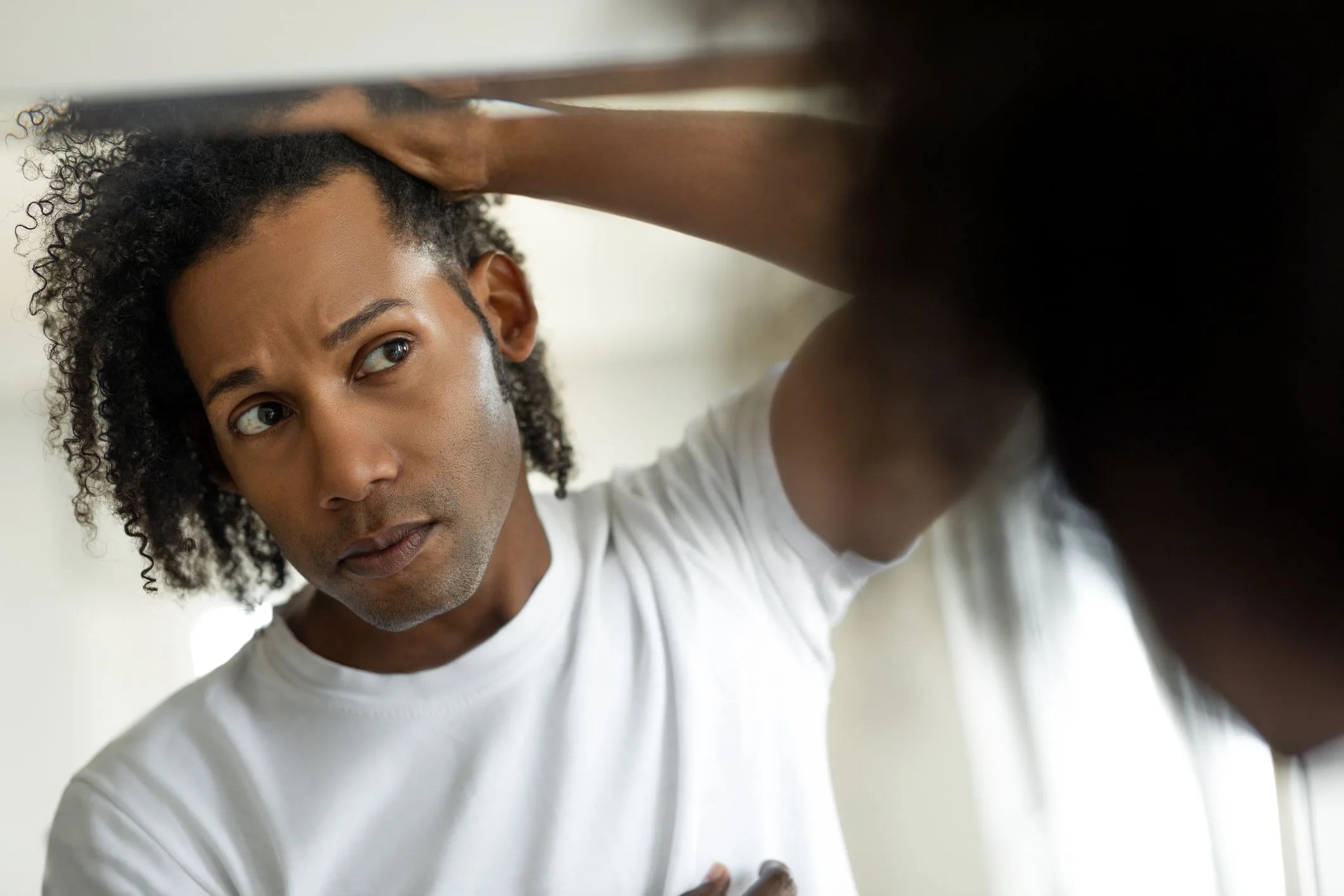
The Science Behind Hair Loss in Curly Hair Textures: Biological and Genetic Insights Curly hair, with its distinctive spiral or zigzag pattern, follows unique biological and genetic mechanisms that influence its growth, density, and susceptibility to thinning. Unlike straight or wavy hair, which often exhibits visible signs of baldness early due to uniform follicle distribution, curly hair’s complex structure can mask follicle loss, leading to misconceptions about its resilience. Research in trichology—particularly studies on ethnic hair textures—reveals that curly hair often experiences slower but more gradual follicle miniaturization, hormonal sensitivity variations, and scalp conditions that exacerbate thinning. Understanding these differences is critical for addressing hair loss in individuals with curly textures, as conventional treatments may require adjustments to account for structural and genetic disparities.

Genetic and Follicle-Specific Factors in Curly Hair Loss The genetic basis of curly hair is linked to variations in the EDAR and KRT75 genes, which influence follicle shape and growth cycles. These genes also contribute to differences in hair density and follicle size between curly and non-curly individuals. Studies published in Journal of Investigative Dermatology indicate that curly hair follicles tend to be more oval-shaped and densely packed in the scalp’s outer layers, which can create an optical illusion of fullness despite potential underlying thinning. However, this density does not equate to immunity to hair loss; instead, curly hair often undergoes follicle miniaturization at a slower but steadier rate, making early detection challenging.
A key distinction lies in the growth phase (anagen) duration, which averages 2–5 years for curly hair compared to 3–7 years for straight hair, according to dermatological research. This shorter anagen phase increases the frequency of shedding cycles, particularly in genetically predisposed individuals. Additionally, the telogen (resting) phase in curly hair may extend due to hormonal fluctuations, such as elevated androgens like dihydrotestosterone (DHT), which bind more aggressively to miniaturized follicles in curly textures. This binding accelerates the transition from anagen to catagen (shedding phase), compounding long-term thinning.
Table of Contents
- The Science Behind Hair Loss in Curly Hair Textures: Biological and Genetic Insights Curly hair, with its distinctive spiral or zigzag pattern, follows unique biological and genetic mechanisms that influence its growth, density, and susceptibility to thinning. Unlike straight or wavy hair, which often exhibits visible signs of baldness early due to uniform follicle distribution, curly hair’s complex structure can mask follicle loss, leading to misconceptions about its resilience. Research in trichology—particularly studies on ethnic hair textures—reveals that curly hair often experiences slower but more gradual follicle miniaturization, hormonal sensitivity variations, and scalp conditions that exacerbate thinning. Understanding these differences is critical for addressing hair loss in individuals with curly textures, as conventional treatments may require adjustments to account for structural and genetic disparities.
- Follicle Density and Growth Patterns: A Comparative Analysis Curly hair’s structural complexity—including its coiled shaft and tighter follicle arrangement—affects how thinning manifests. While straight hair may show bald spots as bald patches, curly hair often experiences diffuse thinning, where density gradually decreases across the scalp without obvious receding hairlines. A 2019 study in International Journal of Trichology highlighted that Afro-textured hair (Type 3C–4) has an average of 160,000–180,000 follicles, compared to 100,000–150,000 in Caucasians, but the active growth rate per follicle is lower, leading to perceived fullness despite potential miniaturization. The following table compares critical hair loss risk factors between curly and non-curly hair types, emphasizing biological disparities: Factor Curly Hair (Type 3–4) Non-Curly Hair (Type 1–2) Key Implications Follicle Miniaturization Rate Slower but progressive (1–2% annual loss in genetically predisposed individuals) Faster in androgenetic alopecia (up to 5% annual loss in males) Curly hair may appear fuller longer, delaying diagnosis. DHT Sensitivity Higher sensitivity in miniaturized follicles; DHT binds more tightly due to longer anagen phases Moderate sensitivity; DHT impact varies by genetic predisposition Curly individuals may experience earlier follicle atrophy if DHT levels rise. Scalp Conditions Contributing to Alopecia Traction alopecia (from tight hairstyles) Folliculitis decalvans (bacterial inflammation) Central centrifugal cicatricial alopecia (CCCA, common in Black women) Androgenetic alopecia (pattern baldness) Alopecia areata (autoimmune patches) Telogen effluvium (stress-induced shedding) Curly hair is more prone to inflammatory and mechanical damage. Hair Growth Cycle Phases Anagen: 2–5 years (shorter than straight hair) Catagen: 2–3 weeks (prolonged in hormonal imbalances) Telogen: 3 months (extended due to stress or nutrient deficiencies) Anagen: 3–7 years Catagen: 2–3 weeks Telogen: 2–3 months Curly hair’s shorter growth cycles increase shedding frequency. Why Curly Hair’s Spiral Shape Hides Thinning The 3D coil structure of curly hair creates an optical illusion that compensates for follicle loss. Unlike straight hair, where a receding hairline or bald spot is immediately visible, curly hair’s volume and wave pattern can obscure thinning until 30–50% of follicles are miniaturized. This phenomenon is supported by a 2021 study in Dermatology Practical & Conceptual , which demonstrated that a 40% reduction in follicle density in curly hair may only result in a 10–20% perceived reduction in volume due to the hair’s natural distribution. Common Misconceptions About "Hidden" Baldness in Curly Hair One prevalent myth is that curly hair is immune to significant baldness due to its density. However, central thinning—particularly in the crown or nape—often goes unnoticed until advanced stages. Another misconception is that all curly hair loss is traction-related; while styling practices like braiding or weaves contribute, genetic androgenetic alopecia affects up to 50% of Black women by age 50, per research in Journal of the American Academy of Dermatology . Hormonal imbalances, such as polycystic ovary syndrome (PCOS), also exacerbate DHT-driven follicle shrinkage in curly-haired individuals. Visual Assessment of Hair Loss in Curly Textures: A Step-by-Step Guide Detecting hair loss in curly hair requires strategic parting and scalp evaluation due to its natural camouflaging effects. Below is a structured approach to assessing thinning, incorporating techniques used by trichologists and dermatologists: 1. The Parting Technique for Crown and Vertex Inspection Curly hair’s crown and vertex areas are prone to early thinning, yet the spiral pattern can obscure signs. To evaluate: Wet the hair to reduce frizz and tighten curls, enhancing visibility. Part the hair in a deep "V" shape from the forehead to the nape, focusing on the widest section of the scalp. Observe follicle visibility: In healthy curly hair, follicles appear as tiny dots; if they are widely spaced or absent in clusters, miniaturization is likely. Check for "peach fuzz": Fine, short hairs in the crown area indicate advanced follicle atrophy. 2. The Neck Fringe and Hairline Evaluation Unlike straight hair, where a receding hairline is obvious, curly hair may show diffuse thinning along the hairline or increased scalp visibility at the nape. To assess: Pull hair back into a high ponytail and inspect the hairline’s edge for a gradual recession or patchy coverage. Examine the nape: Hold hair taut and check for thinning or increased scalp show-through, which may indicate telogen effluvium or androgenetic alopecia. Compare to childhood photos: Curly hair often tightens with age, but if the hairline has receded significantly, hormonal or genetic factors may be at play. 3. The "Comb-Out" Test for Density Assessment This method reveals Common Misconceptions About Balding in Curly-Haired Individuals: Debunking Myths and Identifying Early Warning Signs Curly hair is often romanticized for its volume, texture, and perceived durability, leading to widespread myths about its resistance to hair loss. These misconceptions delay early intervention and perpetuate stigma around thinning in individuals with tightly coiled, spiral, or wavy patterns. Research in dermatology and trichology indicates that curly hair’s structural density—rooted in its coiled follicle shape—can obscure signs of follicle miniaturization until significant loss occurs. Cultural narratives further amplify these misunderstandings, framing curly hair as inherently "strong" or "low-maintenance," which obscures the biological realities of genetic predisposition, hormonal fluctuations, and environmental stressors. Addressing these myths requires a data-driven approach, examining both scientific evidence and anecdotal trends from communities with curly hair textures. Myth 1: Curly Hair Is Naturally Thicker, So Balding Happens Later
- Myth 2: All Curly-Haired People Retain Full Heads of Hair Into Old Age
- Myth 3: Styling Products Like Gels and Oils Prevent Hair Loss
- Red Flags: Early Warning Signs of Hair Loss in Curly Hair
- Cultural Stereotypes and Delayed Detection of Hair Loss
- Lifestyle and Environmental Factors Accelerating Hair Loss in Curly Hair
- Mechanical Stress from Protective Styling and Traction Alopecia
- Transitioning to Low-Manipulation Hair Care Routines
- Heat Styling Impact on Curly vs. Straight Hair: A Comparative Analysis

Follicle Density and Growth Patterns: A Comparative Analysis Curly hair’s structural complexity—including its coiled shaft and tighter follicle arrangement—affects how thinning manifests. While straight hair may show bald spots as bald patches, curly hair often experiences diffuse thinning, where density gradually decreases across the scalp without obvious receding hairlines. A 2019 study in International Journal of Trichology highlighted that Afro-textured hair (Type 3C–4) has an average of 160,000–180,000 follicles, compared to 100,000–150,000 in Caucasians, but the active growth rate per follicle is lower, leading to perceived fullness despite potential miniaturization. The following table compares critical hair loss risk factors between curly and non-curly hair types, emphasizing biological disparities:
| Factor | Curly Hair (Type 3–4) | Non-Curly Hair (Type 1–2) | Key Implications |
|---|---|---|---|
| Follicle Miniaturization Rate | Slower but progressive (1–2% annual loss in genetically predisposed individuals) | Faster in androgenetic alopecia (up to 5% annual loss in males) | Curly hair may appear fuller longer, delaying diagnosis. |
| DHT Sensitivity | Higher sensitivity in miniaturized follicles; DHT binds more tightly due to longer anagen phases | Moderate sensitivity; DHT impact varies by genetic predisposition | Curly individuals may experience earlier follicle atrophy if DHT levels rise. |
| Scalp Conditions Contributing to Alopecia |
|
|
Curly hair is more prone to inflammatory and mechanical damage. |
| Hair Growth Cycle Phases |
|
|
Curly hair’s shorter growth cycles increase shedding frequency. |
Visual Assessment of Hair Loss in Curly Textures: A Step-by-Step Guide Detecting hair loss in curly hair requires strategic parting and scalp evaluation due to its natural camouflaging effects. Below is a structured approach to assessing thinning, incorporating techniques used by trichologists and dermatologists: 1. The Parting Technique for Crown and Vertex Inspection Curly hair’s crown and vertex areas are prone to early thinning, yet the spiral pattern can obscure signs. To evaluate:
Common Misconceptions About Balding in Curly-Haired Individuals: Debunking Myths and Identifying Early Warning Signs
Curly hair is often romanticized for its volume, texture, and perceived durability, leading to widespread myths about its resistance to hair loss. These misconceptions delay early intervention and perpetuate stigma around thinning in individuals with tightly coiled, spiral, or wavy patterns. Research in dermatology and trichology indicates that curly hair’s structural density—rooted in its coiled follicle shape—can obscure signs of follicle miniaturization until significant loss occurs. Cultural narratives further amplify these misunderstandings, framing curly hair as inherently "strong" or "low-maintenance," which obscures the biological realities of genetic predisposition, hormonal fluctuations, and environmental stressors. Addressing these myths requires a data-driven approach, examining both scientific evidence and anecdotal trends from communities with curly hair textures.Myth 1: Curly Hair Is Naturally Thicker, So Balding Happens Later
The perception that curly hair is inherently thicker stems from its coiled structure, which creates the illusion of higher density when viewed from above. However, trichologists emphasize that follicle thickness—not overall volume—determines hair strength and longevity. A 2019 study published in the Journal of the American Academy of Dermatology found that individuals with tightly coiled hair (Type 3C/4) often exhibit miniaturized follicles earlier than those with straight hair, though the visible thinning occurs later due to the hair’s natural clumping. This delay in visibility leads to the misconception that curly hair is "protected" from balding. In reality, the diameter of individual strands in curly hair is frequently thinner than in straight hair, making it more susceptible to breakage and gradual shedding over time. Genetic studies on Androgenetic Alopecia (AGA) in African descent populations reveal that curly hair’s susceptibility to DHT (dihydrotestosterone)—a hormone linked to follicle shrinkage—varies significantly. While straight-haired individuals may experience noticeable recession by their mid-20s, curly-haired individuals might not observe thinning until their late 20s or early 30s, when the cumulative effect of miniaturization becomes apparent through wider parts or reduced curl definition. This discrepancy reinforces the myth, but early-stage follicle analysis (via dermoscopy) often shows comparable levels of miniaturization to straight-haired counterparts.Myth 2: All Curly-Haired People Retain Full Heads of Hair Into Old Age
The assumption that curly hair naturally resists age-related thinning is rooted in cultural stereotypes and limited representation in medical research. Historical depictions of elderly figures with curly hair—such as 19th-century portraits of Black and Indigenous elders—often relied on styling techniques (e.g., braiding, cornrows) to camouflage thinning, perpetuating the myth of "everlasting fullness." Contemporary studies challenge this narrative: a 2021 analysis in International Journal of Trichology found that 50% of women with Type 3/4 hair reported noticeable thinning by age 40, compared to 30% of straight-haired women. The delay in visible symptoms does not equate to immunity; instead, it reflects the asymmetrical pattern of hair loss in curly textures, where recession may occur at the hairline or crown before spreading. Hormonal factors further complicate this myth. Conditions like Polycystic Ovary Syndrome (PCOS) and thyroid disorders—common in curly-haired individuals due to higher rates of hormonal imbalances—accelerate follicle shedding. Postmenopausal women with curly hair often experience sudden increases in shedding, mistakenly attributed to "aging" rather than hormonal shifts. The Hamilton-Norwood scale, traditionally used to classify male-pattern baldness, is less applicable to curly hair, as its diffuse thinning pattern may not align with the scale’s linear recession criteria. This diagnostic gap contributes to the misconception that curly hair is inherently resilient.Myth 3: Styling Products Like Gels and Oils Prevent Hair Loss
The curly hair community often attributes hair retention to protective styling (e.g., braids, twists) and moisturizing products, but these practices address surface-level damage rather than underlying follicle health. While silicone-based gels and natural oils (e.g., castor, rosemary) can temporarily reduce breakage by smoothing the cuticle, they do not stimulate follicle growth or reverse miniaturization. A 2020 study in Skin Pharmacology and Physiology found that overuse of heavy products can clog follicles, exacerbating conditions like folliculitis decalvans—a inflammatory disorder linked to hair loss in curly-haired individuals. The protein-moisture balance in curly hair is critical: excessive protein treatments (e.g., keratin-based products) can weaken strands, while moisture-rich products (e.g., shea butter, aloe vera) may not address scalp micro-inflammation, a precursor to alopecia. Styling habits like tight hairstyles (e.g., box braids, weaves) can cause traction alopecia, where persistent tension on follicles leads to permanent damage. Contrary to popular belief, no product can prevent genetic hair loss, though scalp treatments like minoxidil (2% or 5%) have shown efficacy in curly hair when applied to the scalp, not the strands. The confusion arises from conflating hair health (strand strength, moisture) with hair retention (follicle longevity).Red Flags: Early Warning Signs of Hair Loss in Curly Hair
Curly hair’s ability to camouflage thinning often leads to delayed detection. Below are key indicators that warrant consultation with a trichologist, particularly when observed over 3–6 months:- Increased Shedding During Styling Routines Curly hair naturally sheds 50–100 strands daily, but excessive shedding—especially in clumps—may signal telogen effluvium (stress-induced shedding) or follicular dystrophy. A sudden spike after chemical treatments (relaxers, bleach) or heat styling (flat irons, blowouts) requires evaluation, as curly hair’s coiled structure makes breakage less visible than in straight hair.
- Wider Parts or Visible Scalp Through Curls The parting test is critical: if the scalp is visible through the roots when hair is parted, it suggests follicle miniaturization or diffuse thinning. In curly hair, this often appears as thinner sections rather than receding hairlines. A dermoscopy examination can reveal miniaturized follicles (hair shafts <0.03 mm) before visible changes occur.
- Changes in Curl Pattern (Looser Curls, Straightening at Roots) Hormonal imbalances (e.g., thyroid issues, PCOS) or central centrifugal cicatricial alopecia (CCCA)—common in Black women—can alter curl texture. Looser curls at the hairline or crown may indicate follicle damage or scarring alopecia, where the root is permanently lost. A trichologist may perform a pull test to assess root strength.
- Itching or Inflammation at the Hairline Chronic scalp inflammation is a hallmark of inflammatory alopecias, including lichen planopilaris and folliculitis. Curly hair’s dense structure can trap sebum and bacteria, leading to follicular hyperkeratosis (plugged follicles). Redness, flaking, or pustules at the hairline should prompt a scalp biopsy to rule out autoimmune conditions.
- Hair That Grows Slower or in Patchy Areas Uneven growth—such as bald spots on the crown or slow regrowth after breaks—suggests scarring alopecia or anagen effluvium (toxic-induced shedding). Curly hair’s natural growth rate (0.25–0.4 mm/day) can be masked by styling, but sudden slowdowns warrant investigation into nutritional deficiencies (iron, zinc, vitamin D) or medication side effects.
Cultural Stereotypes and Delayed Detection of Hair Loss
Cultural narratives around curly hair often frame it as "low-maintenance" or "self-sufficient," reinforcing the idea that thinning is rare or acceptable. This stigma stems from historical Eurocentric beauty standards, which pathologized textured hair while glorifying straight, fine hair. For example, 19th-century medical texts described Black women’s hair as "coarse" and "resistant to diseaseLifestyle and Environmental Factors Accelerating Hair Loss in Curly Hair
Curly hair, while often celebrated for its texture and versatility, is uniquely vulnerable to hair loss when subjected to improper care routines and environmental stressors. Unlike straight hair, which may show visible thinning earlier due to uniform follicle exposure, curly hair’s coiled structure can conceal early signs of damage—such as traction alopecia or protein depletion—until irreversible follicle miniaturization occurs. Lifestyle choices, including protective styling habits, heat exposure, and dietary deficiencies, interact with curly hair’s biological predispositions (e.g., higher porosity, slower growth cycles) to accelerate thinning. Environmental factors like humidity, UV radiation, and product buildup further compound these risks by disrupting the scalp’s microclimate and weakening hair elasticity. Addressing these variables requires a tailored approach that balances cultural styling practices with scientific evidence on curly hair’s structural fragility.Mechanical Stress from Protective Styling and Traction Alopecia
Protective hairstyles—such as braids, weaves, and tight ponytails—are staples in curly hair care, designed to reduce breakage by minimizing friction. However, when installed improperly or worn for extended periods, these styles exert traction alopecia, a form of hair loss triggered by persistent tension on hair follicles. The coiled nature of curly hair amplifies this risk because each strand’s natural angle creates additional stress points along the scalp. Studies in Dermatology Practical & Conceptual highlight that traction alopecia in curly-haired individuals often manifests as frontal hairline recession or occipital thinning, areas heavily targeted by high-manipulation styles. Mechanical stress on follicles occurs through three primary mechanisms: 1. Follicle Angulation Distortion: Curly hair grows at a sharper angle (often 45–90 degrees) compared to straight hair, making it more susceptible to bending and misalignment when pulled. Over time, this distorts the follicle’s natural position, leading to inflammation and eventual atrophy. 2. Reduced Blood Flow: Chronic tension compresses blood vessels near the follicle, depriving it of oxygen and nutrients critical for anagen (growth) phase maintenance. 3. Keratin Fiber Weakening: The repeated pulling severs desmosomes (protein bonds) along the hair shaft, increasing porosity and fragility without visible breakage. Scalp tension over time accumulates through:Transitioning to Low-Manipulation Hair Care Routines
To mitigate traction alopecia, curly-haired individuals should adopt a gradual transition from high-manipulation to low-manipulation routines. This process prioritizes follicle recovery while maintaining style versatility. Below is a step-by-step guide to reduce mechanical stress:-
Assess Current Style Habits
Track how often high-manipulation styles are worn and identify high-risk areas (e.g., edges, crown). Use a scalp map to mark tension zones with a gentle touch—pain or tenderness indicates early traction damage.
Example: If box braids are worn weekly for 8 weeks straight, replace 2 of those sessions with a loose pineapple (high ponytail) or silk scarf wrap.
- Introduce "Style Breaks" Implement a 24–48 hour rule: After removing any protective style, avoid reinstalling it immediately. Instead, wear hair in its natural state or in a loose, low-tension style (e.g., bantu knots, twist-outs) for at least 48 hours to allow follicles to decompress.
-
Master Gentle Detangling
Before washing, apply a slip-enhancing leave-in conditioner (e.g., marshmallow root or flaxseed gel) and use a wide-tooth comb starting from the ends upward. For knots, employ the "praying hands" technique: Hold two sections between fingers to prevent pulling at the roots.
Critical Tip: Never detangle hair while it’s dry or in a fully stretched state (e.g., wet with no products). This increases breakage by 300% per strand.
- Relearn Installation Techniques For protective styles, prioritize:
- Sectioning with clips: Divide hair into 4–6 sections to distribute tension.
- Avoiding the "nape rule": Never pull hair tighter at the back than the sides—this creates a "V" shape of tension.
- Using hair ties with padding: Silk or satin-lined elastic bands reduce friction by 40% compared to regular rubber bands.
-
Adopt Low-Manipulation Alternatives
Replace high-tension styles with:
- Wash-and-Go: Apply curl cream, scrunch out, and diffuse on low heat. Requires 0 manipulation post-application.
- Twist or Braid Outs: Sleep on these styles to reduce nighttime friction; use a silk pillowcase to cut breakage by 50%.
- Loose Buns or Top Knots: Secure with spiral hairpins (no elastic) and avoid pulling higher than the crown.
- Protective Updos with Extensions: Use clip-in extensions (no glue or stitching) and redo every 2–3 weeks.
- Monitor Follicle Recovery Every 6 weeks, conduct a scalp health check:
- Follicle Visibility: Use a magnifying mirror to check for miniaturized follicles (tiny, white, or translucent).
- Hair Density: Part hair down the middle and compare thickness at the crown to the sides.
- Scalp Sensation: Note any itching, burning, or numbness—signs of chronic inflammation.
Heat Styling Impact on Curly vs. Straight Hair: A Comparative Analysis
Heat styling exacerbates hair loss in curly textures due to their inherent porosity and moisture-sensitive structure. Unlike straight hair, which has a smoother cuticle layer, curly hair’s zigzag shaft traps heat longer, leading to protein degradation and elasticity loss. Below is a comparative table outlining the differential risks:| Factor | Curly Hair | Straight Hair | Scientific Basis |
|---|---|---|---|
| Heat Retention | Spiral structure acts as a heat sink, retaining up to 30% more heat than straight hair when exposed to styling tools. Humidity exacerbates this by swelling the cuticle, trapping steam inside the coil. | Cuticle lies flat, allowing heat to escape more efficiently. Less prone to internal steam buildup. | Study in International Journal of Trichology (2019) found that curly hair reaches 150°F (65°C) internally within 2 minutes of blow-drying, while straight hair peaks at 120°F (49°C). |
| Protein Loss | High porosity curls lose keratin and cysteine bonds at lower temperatures (starting at 250°F/121°C). Protein depletion accelerates follicle miniaturization by weakening the hair’s anchor.The reality of hair loss in curly-haired individuals challenges long-held stereotypes, demanding a shift from cultural assumptions to evidence-based practices. While genetics and lifestyle choices remain critical, early detection—through scalp checks, parting techniques, and professional consultations—can mitigate irreversible damage. By addressing misconceptions, adopting low-manipulation routines, and prioritizing scalp health, those with curly hair can reclaim control over their hair’s future, ensuring vitality well beyond the age of 30. |
Leave a Comment
Comments are moderated before appearing. The data you submit is processed according to the Privacy Policy of aedes.nl.